
- Home
- Egypt Blogger
- Egypt Tour Frequently Asked Questions
- Easter Traditions in Egypt
- On 21 Dec 2025
- In Egypt Tour Frequently Asked Questions
- Tags Easter traditions in Egypt
Easter Traditions in Egypt
Easter Traditions in Egypt
Easter traditions in Egypt are deeply rooted in history, religion, and culture. The celebration is mainly observed by Coptic Orthodox Christians, but many traditions are shared by all Egyptians, making Easter a special time across the country.
Religious Celebrations of Easter in Egypt
Easter in Egypt comes after a long fasting period called the Great Lent, which lasts for 55 days. During this time, Christians focus on prayer, self-discipline, and spiritual growth. On Easter Eve, churches across Egypt hold special midnight prayers filled with hymns, candles, and joyful celebrations.
Easter Sunday marks the resurrection of Jesus Christ and is one of the most important Christian holidays in Egypt. Families attend church services together and celebrate the end of fasting.
Sham El-Nessim and Easter Traditions
One of the most famous Easter traditions in Egypt is Sham El-Nessim, an ancient spring festival celebrated on the Monday after Easter. This tradition dates back to Pharaonic times and is still celebrated today by both Christians and Muslims.
On this day, people go out to parks, gardens, and the Nile to enjoy nature and fresh air. Sham El-Nessim reflects unity and joy in Egyptian society.
Traditional Easter Food in Egypt
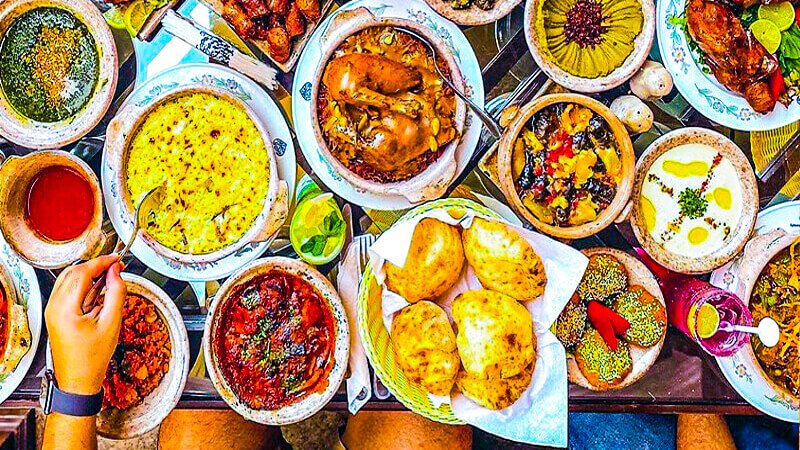
Food is an essential part of Easter traditions in Egypt. Popular Easter foods include:
Colored eggs, symbolizing new life
Feseekh, salted fish traditionally eaten during Sham El-Nessim
Green onions and lettuce, representing spring and renewal
Kahk, traditional Egyptian cookies enjoyed during holidays
These foods connect modern celebrations with ancient Egyptian beliefs.
Family and Social Traditions
Family gatherings are an important part of Easter in Egypt. People visit relatives, exchange greetings, and give children gifts. The holiday is filled with happiness, relaxation, and strong social bonds.
Conclusion
Easter traditions in Egypt combine religious faith, ancient history, and cultural unity. From church prayers to Sham El-Nessim and traditional foods, Easter remains one of the most meaningful and joyful celebrations in Egyptian culture.